Drone Circle
I. The Ritual
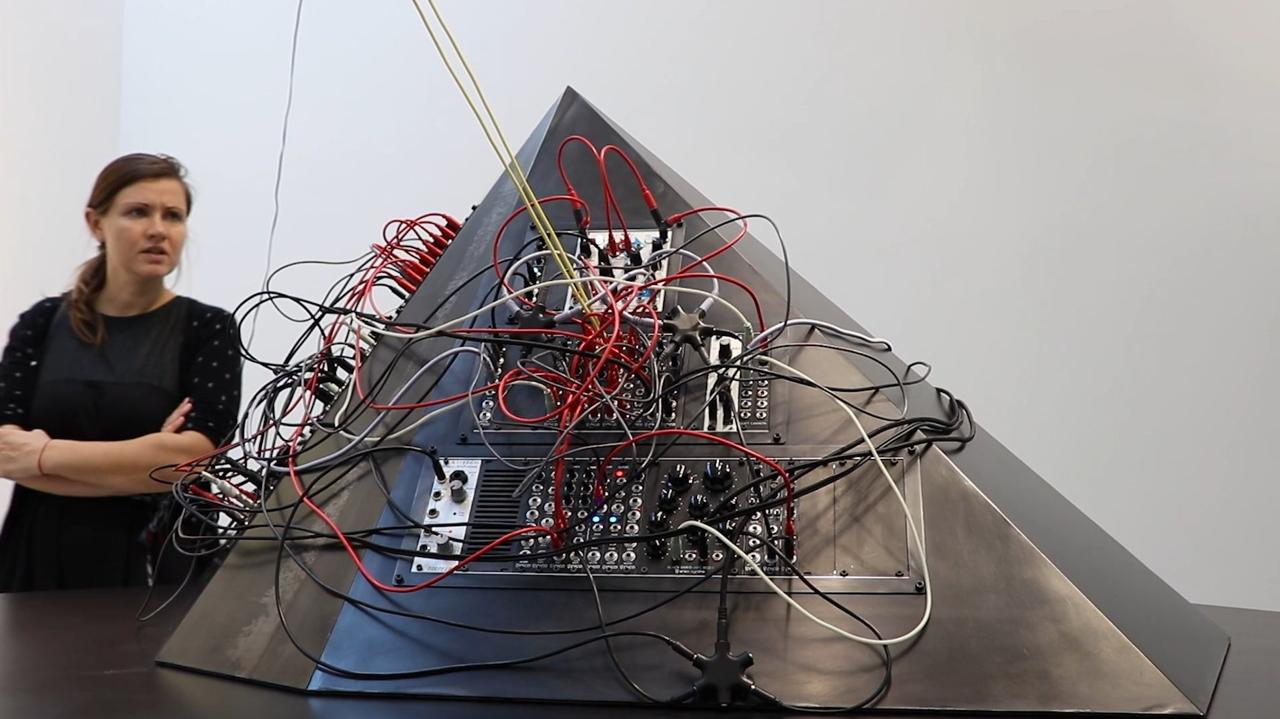
There is a slowness to patching modular synthesizers.
I have a cable in my hand and imagine a signal path in my mind. I plug the cable into the desired output. I listen carefully as each new connection changes the sound. I listen through a series of small decisions, turning knobs and pressing buttons to manage the depth of the attenuator. Then, I verify the signal is going by tracking the lights and cables.
The deliberate arrangement and re-arrangement of data from one point to another creates music. The slowness is not an artifact of the process. The slowness is the process itself.
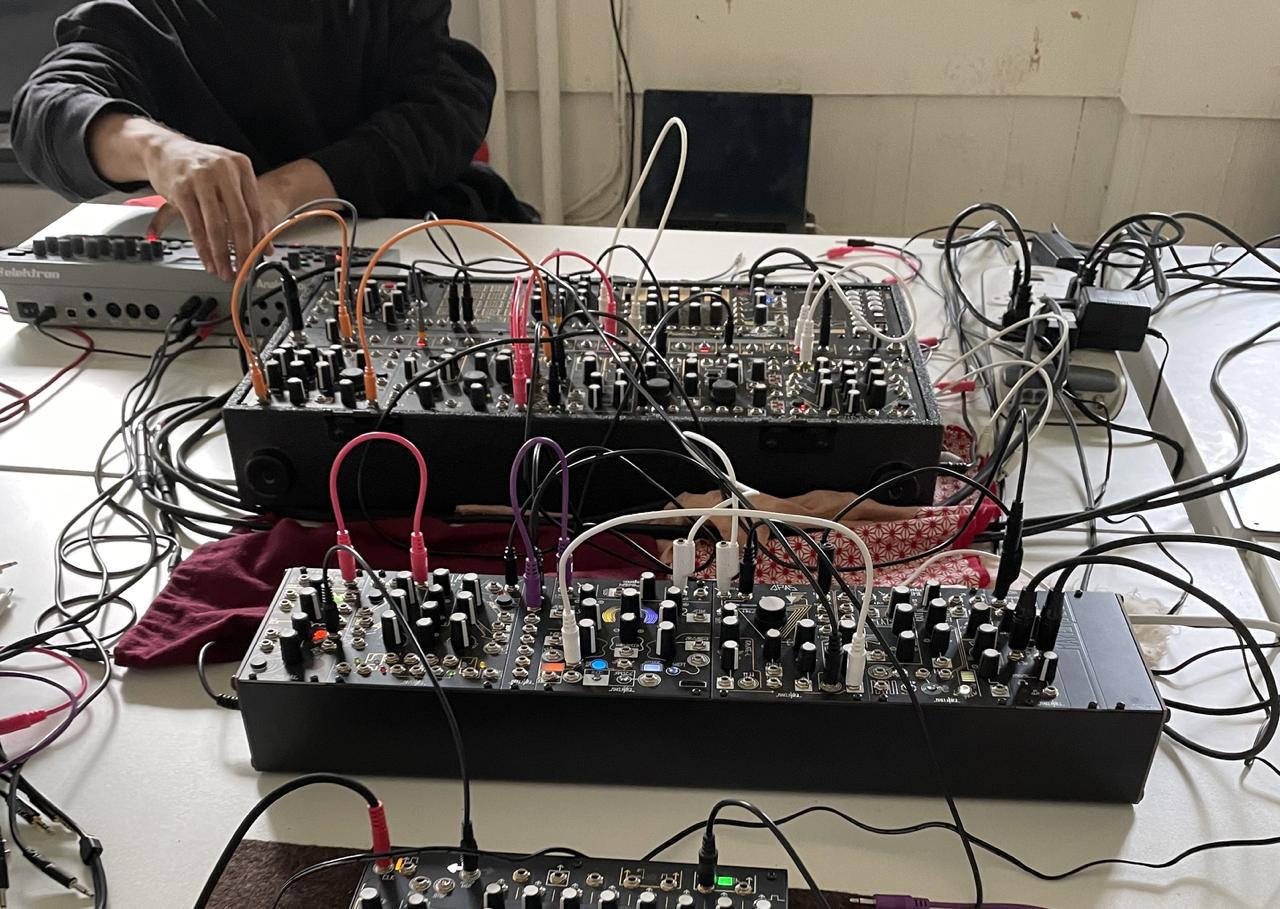
I know that ritual. I love that ritual. There is something satisfying about the physicality of it, about the way working with constraints forces an intimacy with the system.
Now I'm in the middle of a session. I say out loud cut the drums, add an envelope filter. As I finish the sentence, the music starts changing. No cables or menus, the distance between the thought and the sound collapses to the length of a sentence. This feels genuinely surreal.
II. The Distance
Reducing the distance between what you can imagine and what you can make feels especially topical at the moment, but it has always been the central focus of creative technology.
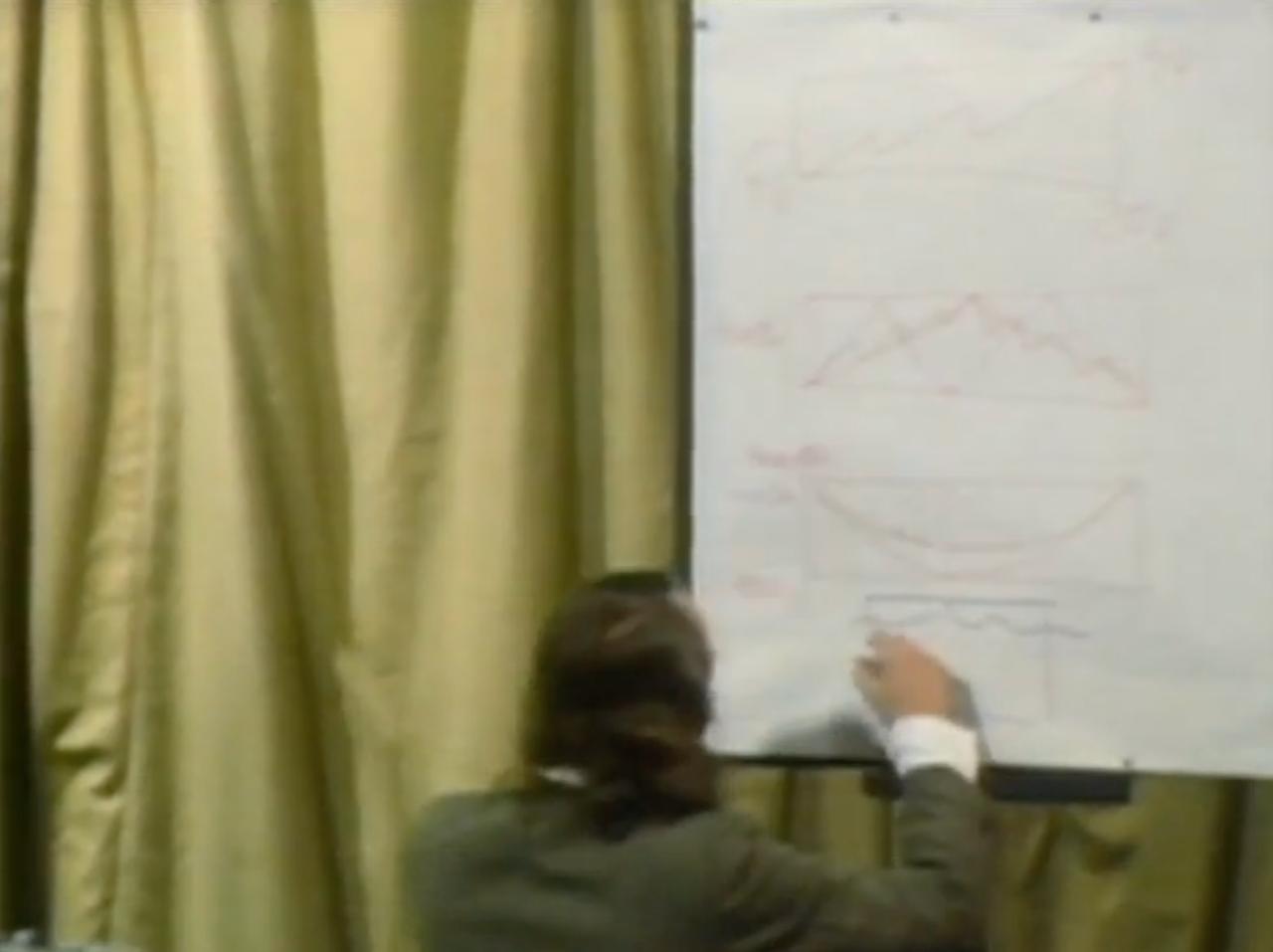
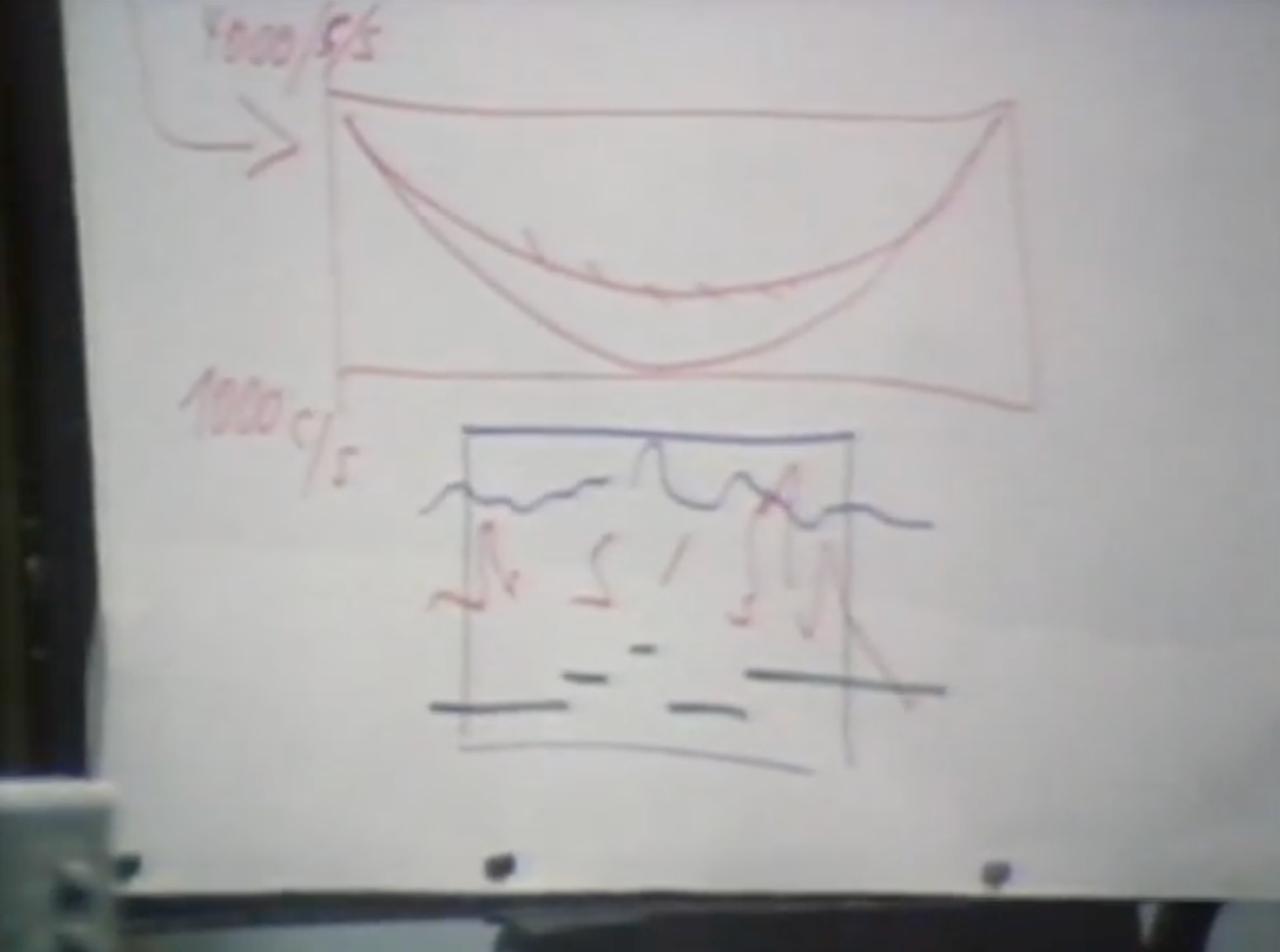
1950s Cologne Germany: Karlheinz Stockhausen described what felt like a breakthrough when he was working in an electronic music studio. He discovered the ability to draw a sound. That you could visually depict the shape of an envelope directly, sketch mountains on paper and watch them become the contour of sound as it moved through time. The shape was the sound. Notation had always been an approximation; but the score and the result could be truly 1:1.
Daphne Oram was working in similar problem spaces. In An Individual Note of Music, Sound and Electronics, she described what happens when you set a series of oscillators at different frequencies and let them interact: some cancel each other out and some reinforce. The math of inference becoming audible in a way that is both precise and deeply strange to listen to. Reading her description, I heard it clearly: all the oscillators, all of the relationships between them. Then I opened a blank patch and started clicking.
That is the distance.
Stockhausen compressed it by letting you draw. Oram spent a lifetime trying to compress is further, building a machine where drawn marks directly controlled the synthesis of sound. What has changed now is not the nature of the problem but the nature of the interface. Instead of drawing hills, you could describe the Swiss Alps, slow rise over several kilometres, a sharp sudden peak, then the long drop in to the valley — and the system makes the shape.
III. The Collapse
The building blocks are the same ones that have existed since the first synthesizer: oscillators, filters, envelopes, buses, gates, control voltage. The same primitives that Stockhausen worked with at WDR, the same signal chain you would patch together by hand on a modular synth.
You say: place 12 oscillators, stepped from 100Hz to 1 KHz in increments of 100. They appear, connected, routed to the bus, audible immediately. Then: add a spectrogram so I can see the frequencies as they interact. It appears. Then: give each one its own amplitude control, I want to be able to bring each frequency in and out independently.
What would have taken half an hour of manual configuration now takes less than a minute to describe and actually experience.
If you have ever turned down the low end on a speaker, or noticed how sound grows softer as it moves away, or felt the way a piece of music builds toward something and then releases, you already have an intuition for the primitives.
You don't need to know the correct name for what you want. If you say make it brighter, the system knows you mean the filter. If you say make it breathe, it knows you are describing a volume envelope. If you say something falling thrown from a height losing speed as it goes, it finds the curve and maps out a shape that matches what you said.
IV. Network as Community
I enjoy making music with friends. Each person brings their own system, everything running to the same clock so the tempos sync and the machines can breathe together. A drum machine, two synthesizers, everyone listening, adjusting and responding in a way that felt less like performing separately and more like a conversation that couldn't have happened any other way.
When something changes (a texture shifting across the room, or a sequence suddenly turning in a new direction) the rest of us hear it and adjust accordingly. There is a call and response quality that doesn't need to be spoken or planned. It emerges from the middle of everything, from all of us paying attention to the same thing at the same time. The music is made in the spaces between us.
What makes that quality of presence possible is not wireless, but through cables. Physical connections between physical machines; a patch cable running from one device to another, voltage moving through copper wire from one case to the next. You can see where your system ends and someone else's begins. You can trace the signal path across the table with your finger.
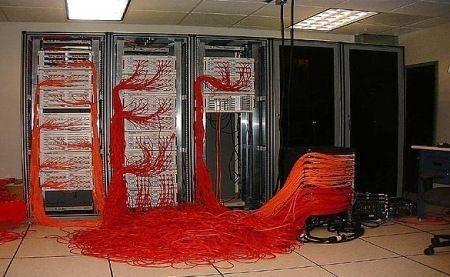
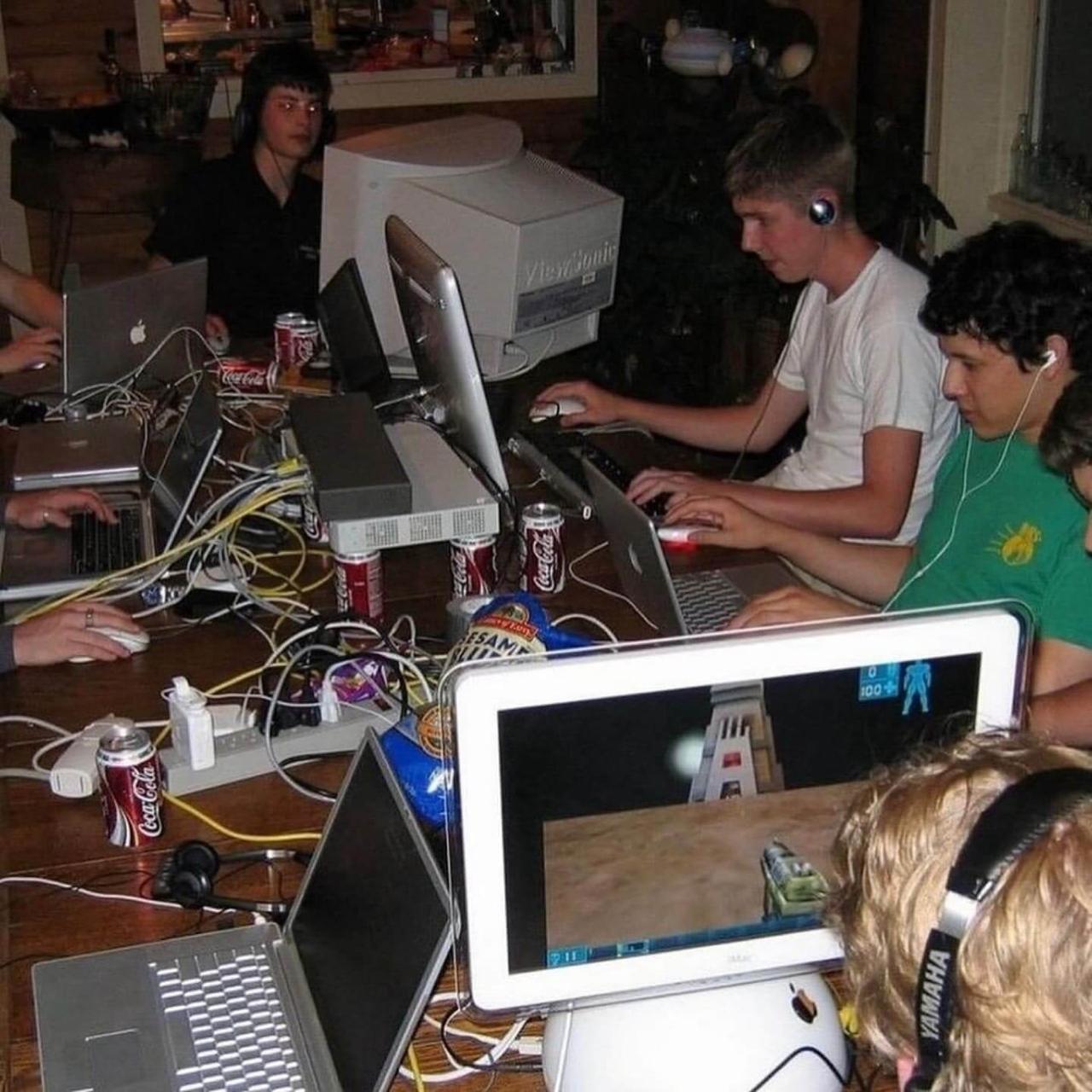
A LAN cable restores a version of that feeling. There is something about running a long ethernet cable across the floor and plugging it into a switch that makes the network visible. You can see where your machine enters it.
V. The Installation
The installation is built around the choice to make the network visible.
At the centre of the room is a single machine: a server connected to an audio interface, connected to an equalizer, connected to speakers. Everything that will be heard in the room passes through this machine first. It is the root of a nervous system, the point from which everything else branches.
From a switch connected to the machine, ethernet cables run out across the floor to where people are located. 24 ports with 24 participants, each bringing a laptop to plug into the system. From the moment the cable is connected, their device is part of the network. Their voice, descriptions and commands travel from their machine to the switch in the central engine. From there, the machine interprets and changes the sound already happening in the room.
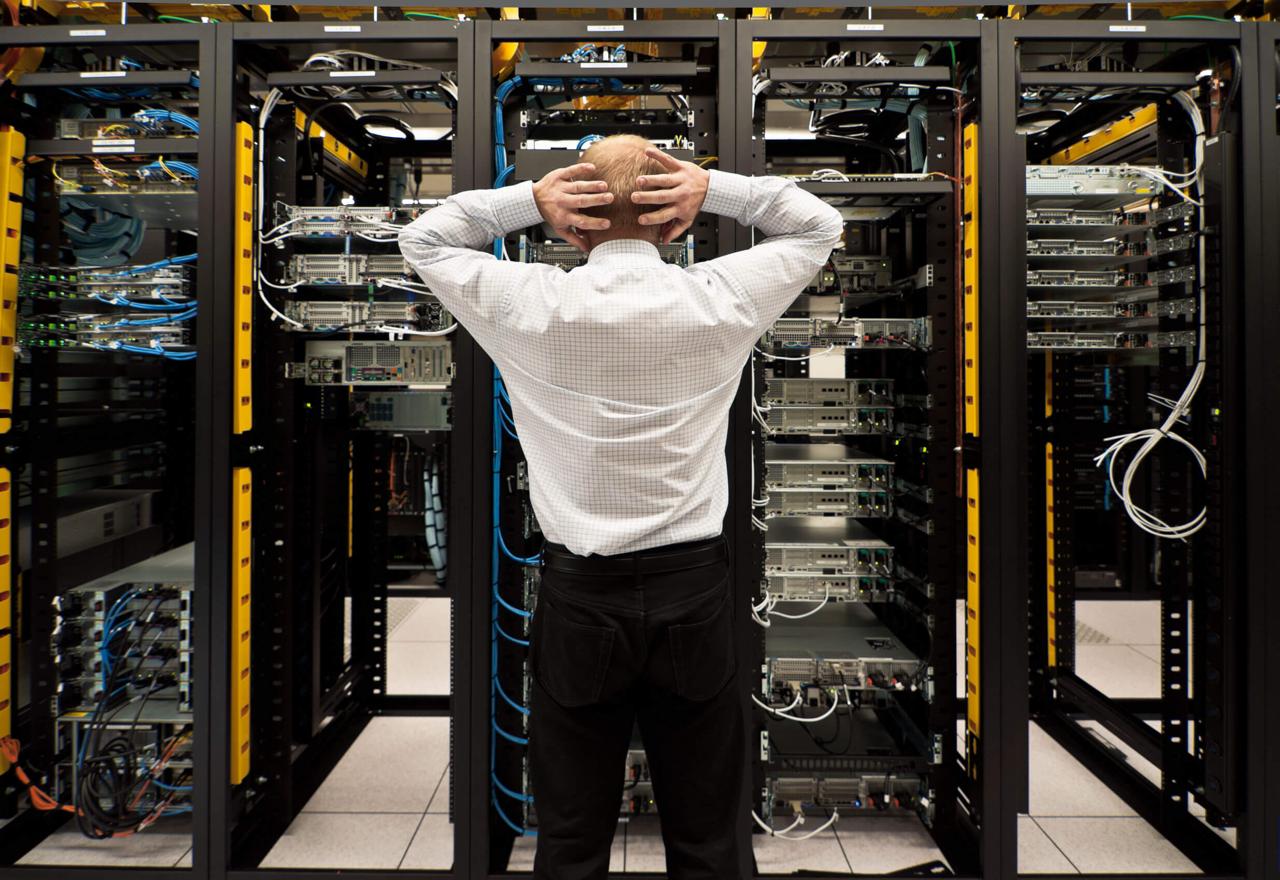
The cables are long. They are meant to be seen as you cross the floor, to give an understanding of how the entire system is connected, including the participants. There is a server rack in the middle that has a sculptural presence in the room. It is the central instrument.
VI. The Workshop
The workshop runs across three days, designed to follow the learning arc of an instrument.
On the first day, nobody knows what it sounds like. People arrive from different backgrounds with different knowledge and sensibilities. Some make music, some don't. Some write code, some don't, some kind-of do. The first hour is discussing and listening: what it means for everyone to be connected, what multiple people working in the same session would sound like, what the relationship is between a description and a sound. Then the cables come out. Each person's device is connected; a soundcheck, a test, the first sounds. By the end of the day, something simple has been made collectively: a shared metronome allowing room to make noise together.
On the second day, people come back having slept on it. Some will have kept running their instances overnight. There is a low-pressure atmosphere in the morning; everyone plugs in, no agenda, free jam. Then a brief showcase of unpolished work with group feedback. Knowledge sharing, exploration, this worked, this didn't work, etc.
On the third day, there is a performance with all devices connected. The session runs for as long as we like. It's being recorded and live-streamed. People are playing and adjusting and responding to one another, building and dismantling and rebuilding in real-time. It's a mesmerizing symphony. Nobody could have known what the music would sound like.
The cables are still visible on the floor. The server is still in the centre, conducting the room.
